
High-performance surface engineering using advanced PVD and plasma-based coating systems.
Physical Vapor Deposition (PVD) is more than a coating - it's a fundamental transformation of material surfaces, enabling tools and components to withstand environments that would destroy untreated metals.
Staton coatings create a nanostructured ceramic layer that is significantly harder than the substrate, providing a diamond-like barrier against deformation and impact.
By reducing adhesive and abrasive wear, PVD coatings dramatically extend the operational life of cutting tools, molds, and automotive components.
Ultra-smooth surfaces reduce heat generation and material pick-up, enabling higher machining speeds and improved surface finishes on the workpiece.
PVD films maintain their chemical and mechanical integrity at extreme temperatures, protecting the substrate during dry machining or high-speed operations.
Staton's proprietary PVD and plasma technologies deliver industry-leading performance across four core deposition methods, optimized for maximum tool life and surface integrity.
Cathodic Arc Deposition is a PVD process where a high current applied to a metallic target creates a cathodic spot at an extreme temperature of 15,000°C, instantly vaporizing target material. The arc produces highly ionized plasma (30–100% ionization) resulting in exceptional coating adhesion and density. Standard arc processes produce macroparticles that roughen the coating surface. Staton's proprietary fsARC® cathode uses a rapidly-adjusting electromagnetic field to split the arc and accelerate the arc spot in order to minimise macroparticles - producing smooth and homogeneous coatings while maintaining high hardness and adhesion.
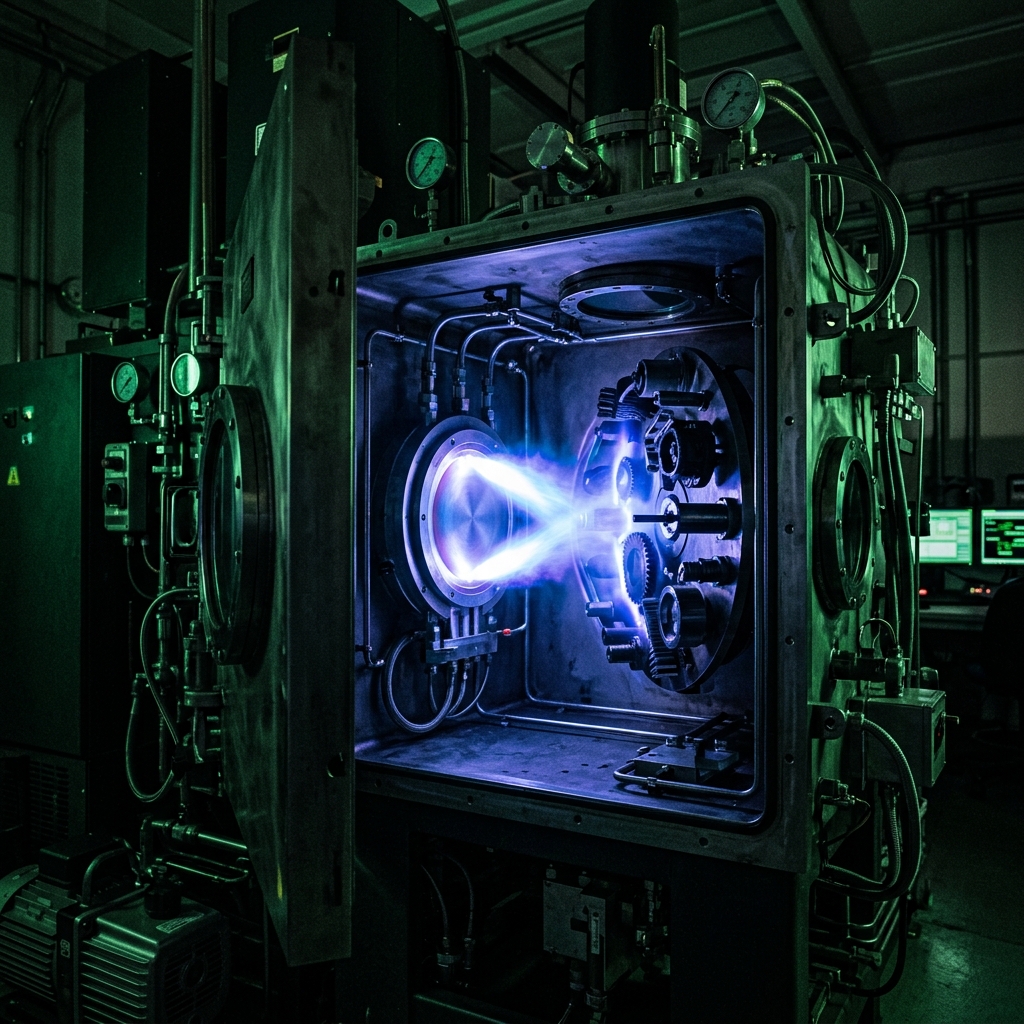 style="position:absolute; width:100%; height:100%; object-fit:cover; opacity: 0.7; z-index: 0; mix-blend-mode: screen;">
fsARC® Cathodic
Arc
style="position:absolute; width:100%; height:100%; object-fit:cover; opacity: 0.7; z-index: 0; mix-blend-mode: screen;">
fsARC® Cathodic
Arc
Magnetron Sputtering uses magnetically-confined plasma to bombard a target, ejecting atoms that deposit as a uniform, extremely smooth thin film. The magnetic field increases ionization efficiency near the target surface, enabling precise control of coating thickness to within nanometers. Staton's OCTOMAG series supports DC, MF (mid-frequency), and HiPIMS power modes within a single system - making it the most versatile platform for applications requiring ultra-smooth surfaces, low-temperature deposition, or biocompatible coatings for medical devices.
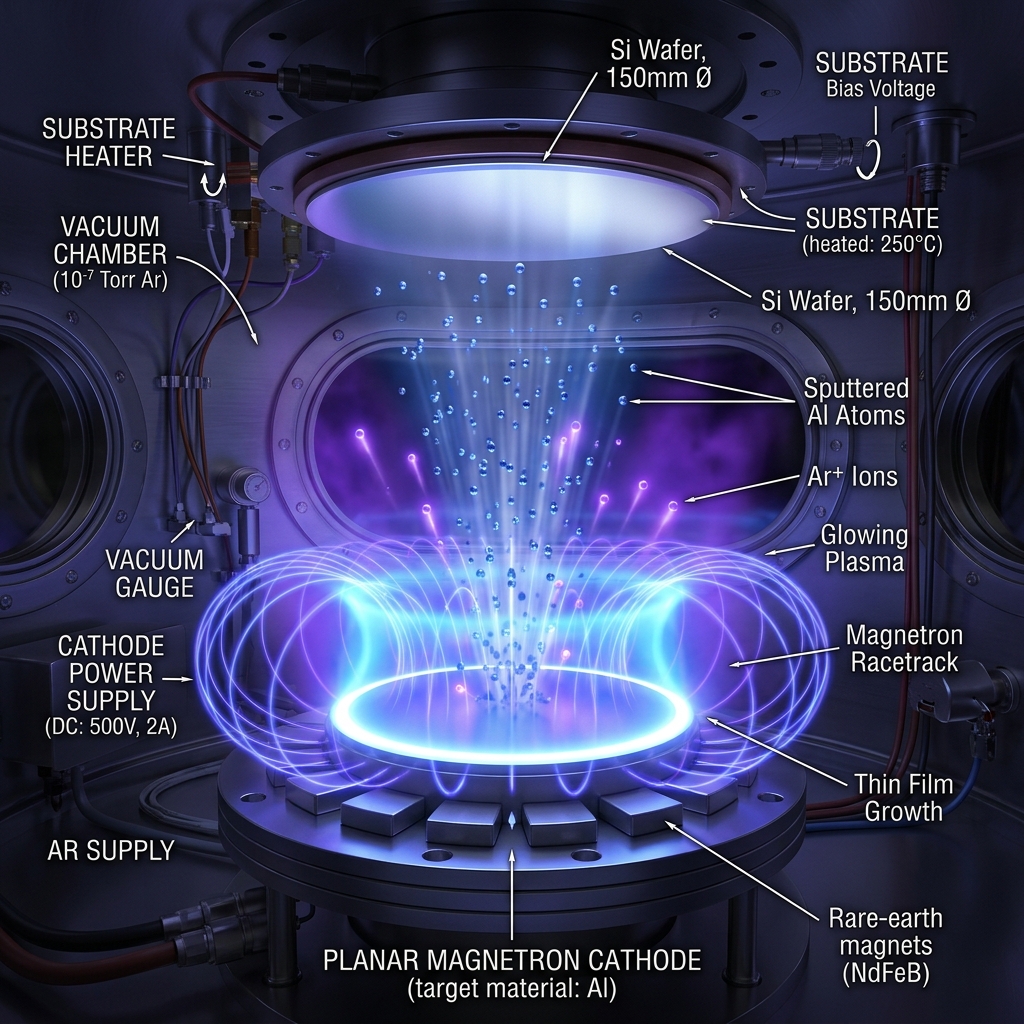 style="position:absolute; width:100%; height:100%; object-fit:cover; opacity: 0.8; z-index: 0;">
OCTOMAG
Sputtering
style="position:absolute; width:100%; height:100%; object-fit:cover; opacity: 0.8; z-index: 0;">
OCTOMAG
Sputtering
High Power Impulse Magnetron Sputtering (HiPIMS) delivers ultra-short, ultra-high-power pulses (peak power density: 1–10 kW/cm²) to the target - generating a dense, highly ionized plasma (>50% ionization vs <5% in DC sputtering). This high ionization produces dramatically denser, harder coatings with superior adhesion at low substrate temperatures. HiPIMS is the technology of choice for coating micro-tools, medical implants, and precision components where surface finish, uniformity, and biocompatibility are non-negotiable.
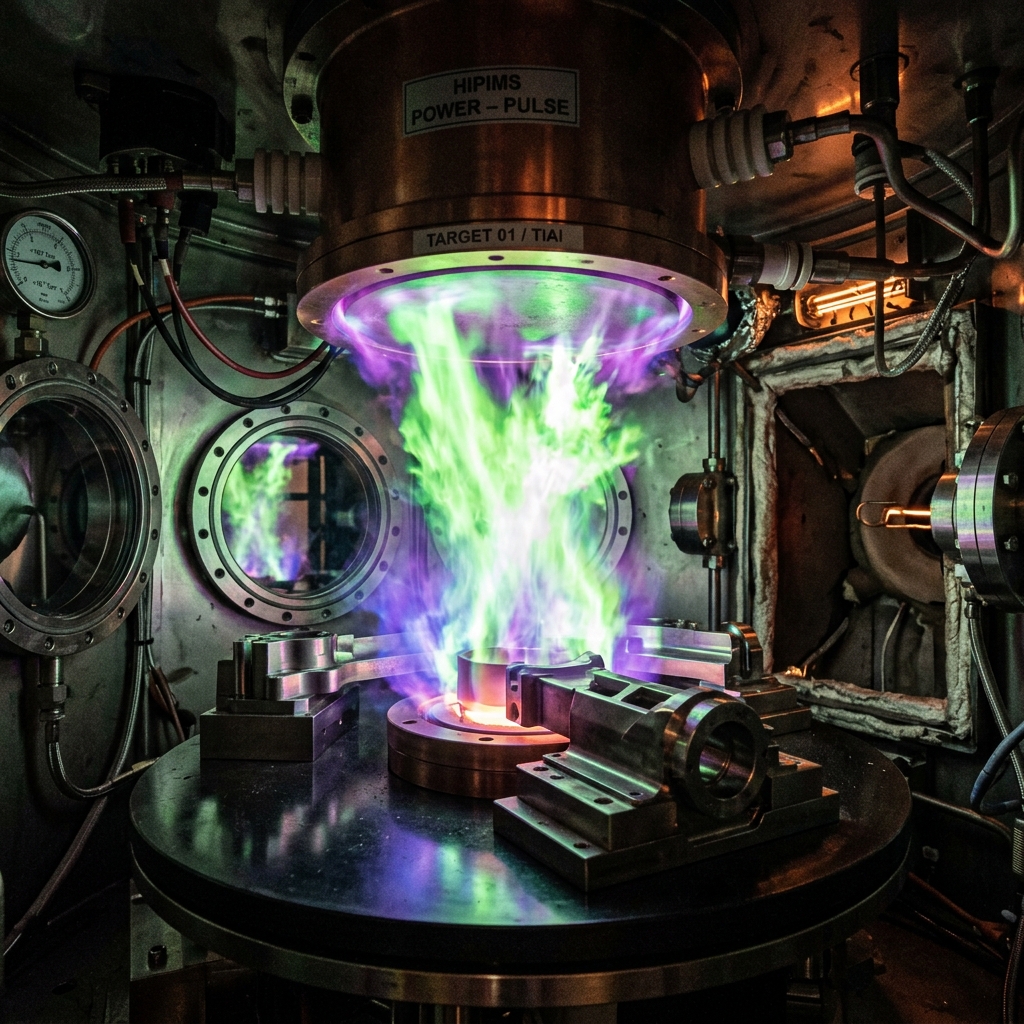 style="position:absolute; width:100%; height:100%; object-fit:cover; opacity: 0.8; z-index: 0;">
HiPIMS Pulse
Plasma
style="position:absolute; width:100%; height:100%; object-fit:cover; opacity: 0.8; z-index: 0;">
HiPIMS Pulse
Plasma
Plasma-Enhanced Chemical Vapor Deposition (PECVD) uses plasma energy to activate chemical reactions at significantly lower temperatures than conventional CVD - typically 150–400°C vs 800–1,000°C. This makes PECVD ideal for depositing Diamond-Like Carbon (DLC) and ta-C coatings on heat-sensitive substrates including aluminium alloys, polymers, and pre-hardened steel tools. The resulting DLC coatings offer some of the lowest friction coefficients achievable (μ < 0.05) with extreme hardness up to 3,500 HV - ideal for machining non-ferrous materials and forming tools for aluminium parts.
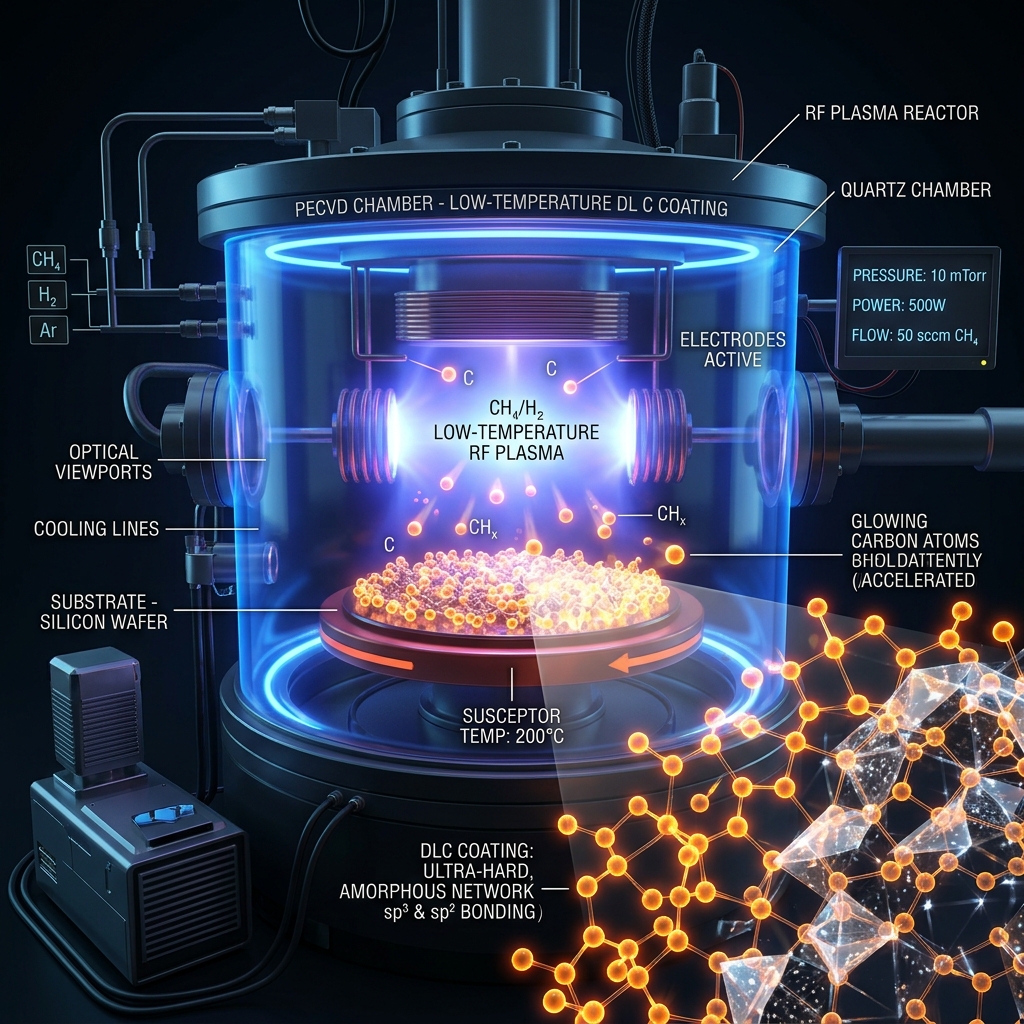 style="position:absolute; width:100%; height:100%; object-fit:cover; opacity: 0.8; z-index: 0;">
DLC / PECVD
Carbon
style="position:absolute; width:100%; height:100%; object-fit:cover; opacity: 0.8; z-index: 0;">
DLC / PECVD
Carbon
While standard cathodic arc machines spray molten macroparticles that roughen surfaces and reduce tool life, Staton's fsARC® technology uses a system of magnetic fields to split and accelerate the cathodic arc spot - thereby minimising macroparticle formation, ensuring a homogeneous coating with high adhesion and hardness.
HiPIMS delivers ultra-short, ultra-high-power pulses generating plasma ionization exceeding 50% - vs less than 5% in conventional DC sputtering. The result: denser coatings, superior adhesion, and ultra-smooth surfaces at low substrate temperatures.
Dimensional check and surface condition assessment.
Safe removal of existing PVD coatings from tools.
Multi-stage bath to remove microscopic contaminants.
Mounting on planetary rotating fixtures for 360° coverage.
Argon ion bombardment for maximum coating adhesion.
Target vaporization via proprietary fsARC® or HiPIMS.
Hardness, adhesion, and thickness certification.
Controlled milling tests with microscopic edge analysis provide measurable, objective evidence of coating performance. Wear width values were obtained through calibrated microscopy under identical machining conditions across all samples.
Surface appearance alone does not determine coating performance. A smoother-looking edge does not always indicate superior durability. In cutting tool analysis, lower wear width values indicate better wear resistance, longer tool life, and improved edge stability under identical machining conditions.
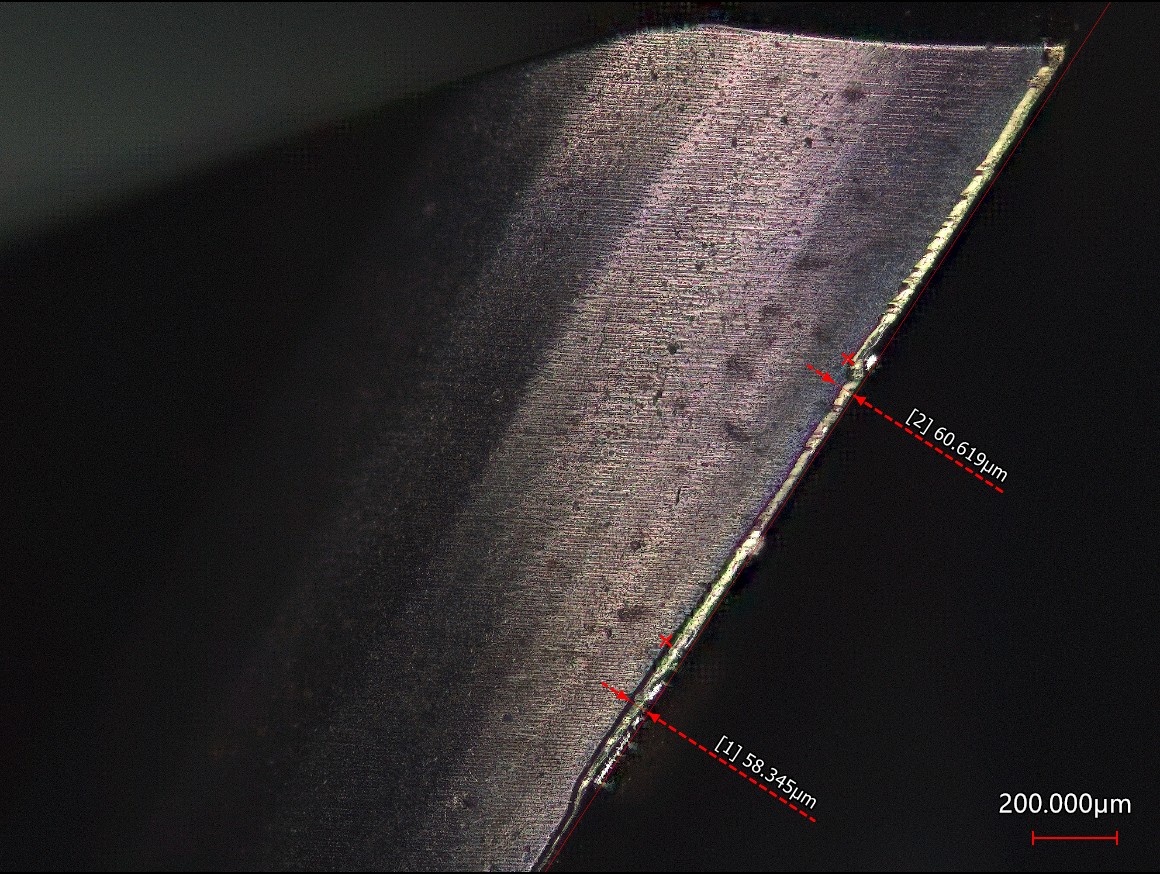
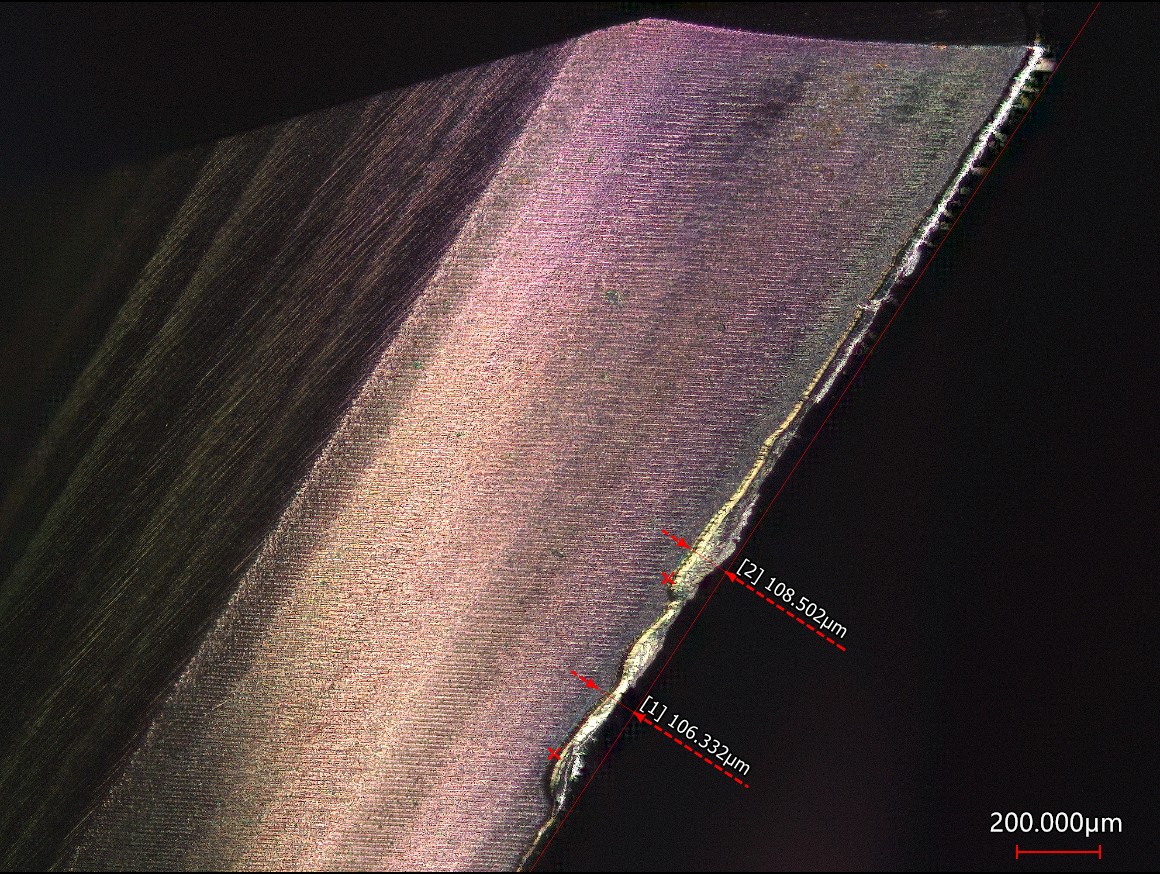
STATON TIXAL maintains a cleaner cutting edge profile with measurably reduced wear progression. Lower wear width indicates improved coating adhesion and better edge retention under identical machining conditions.
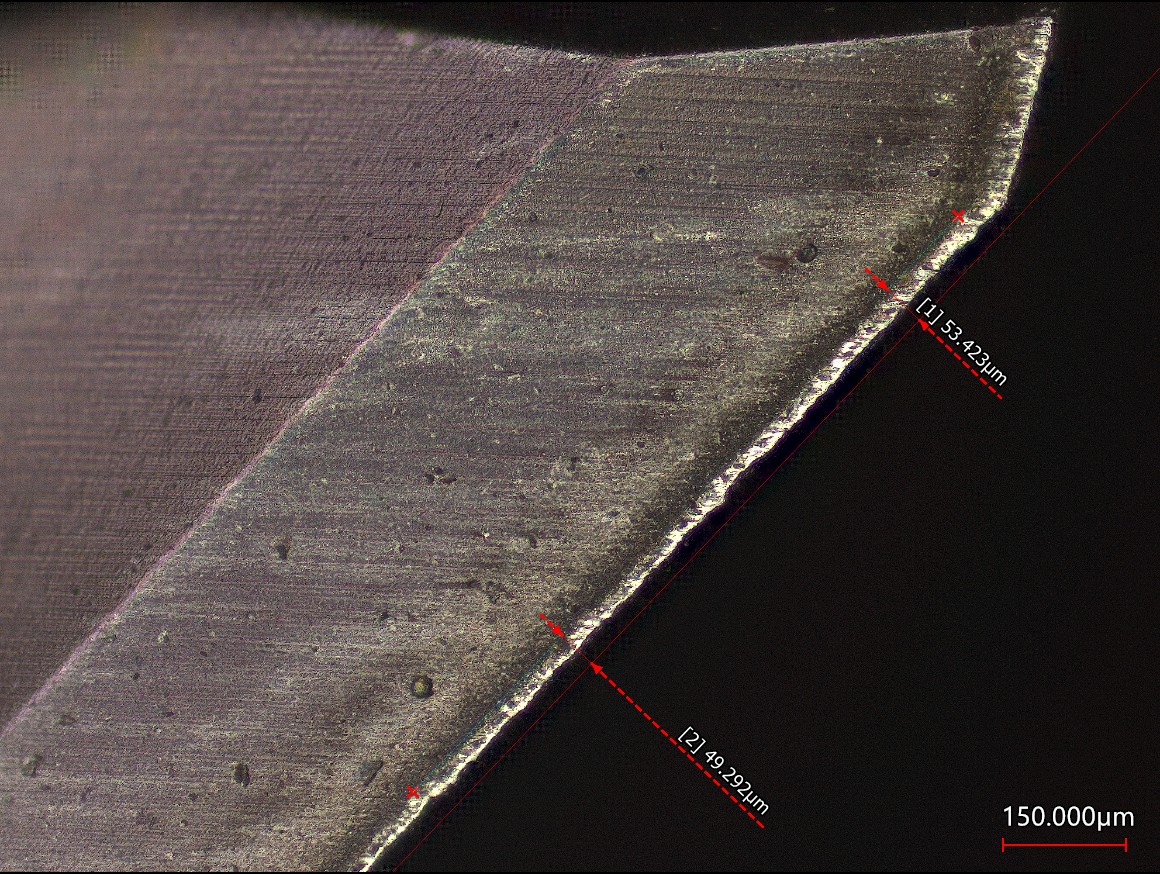
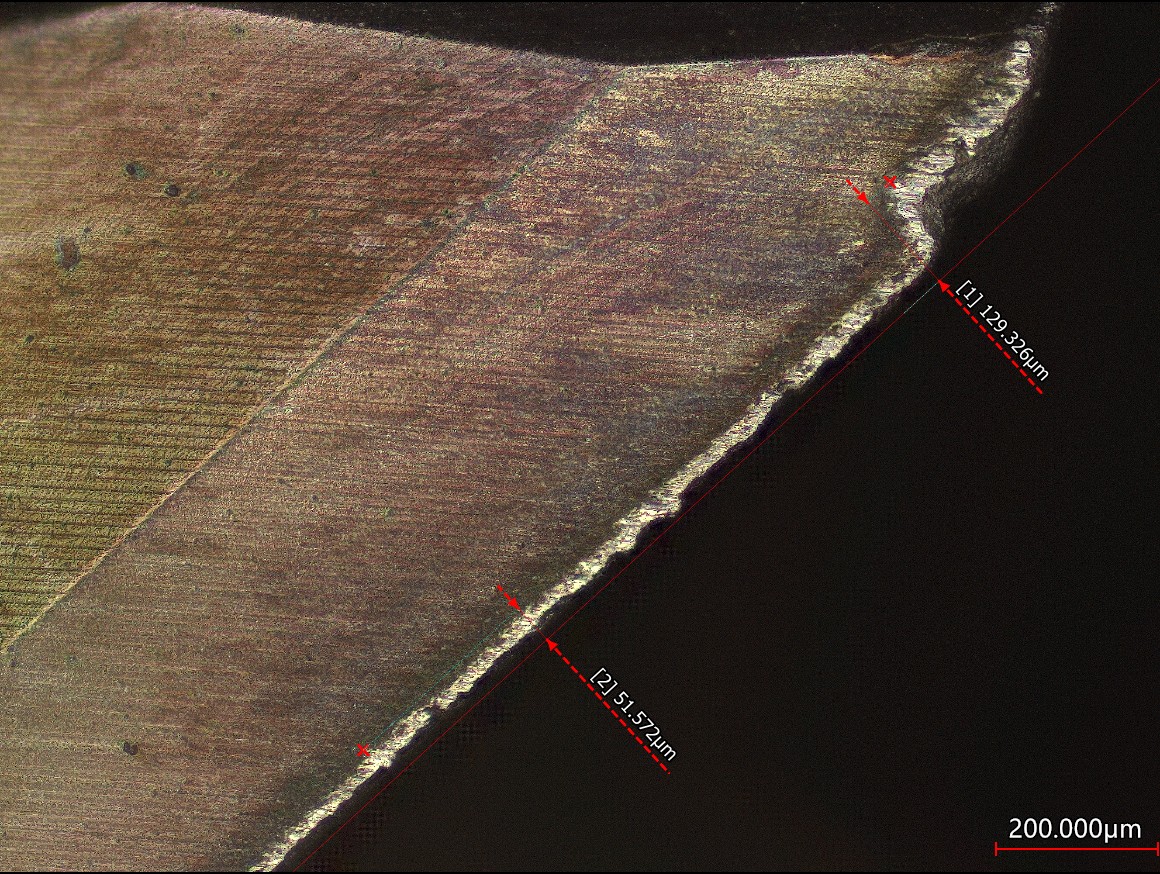
Consistent wear control across 140m demonstrates stable coating performance under sustained machining loads. The significant difference in wear width at this distance confirms the long-term durability advantage of STATON coatings.
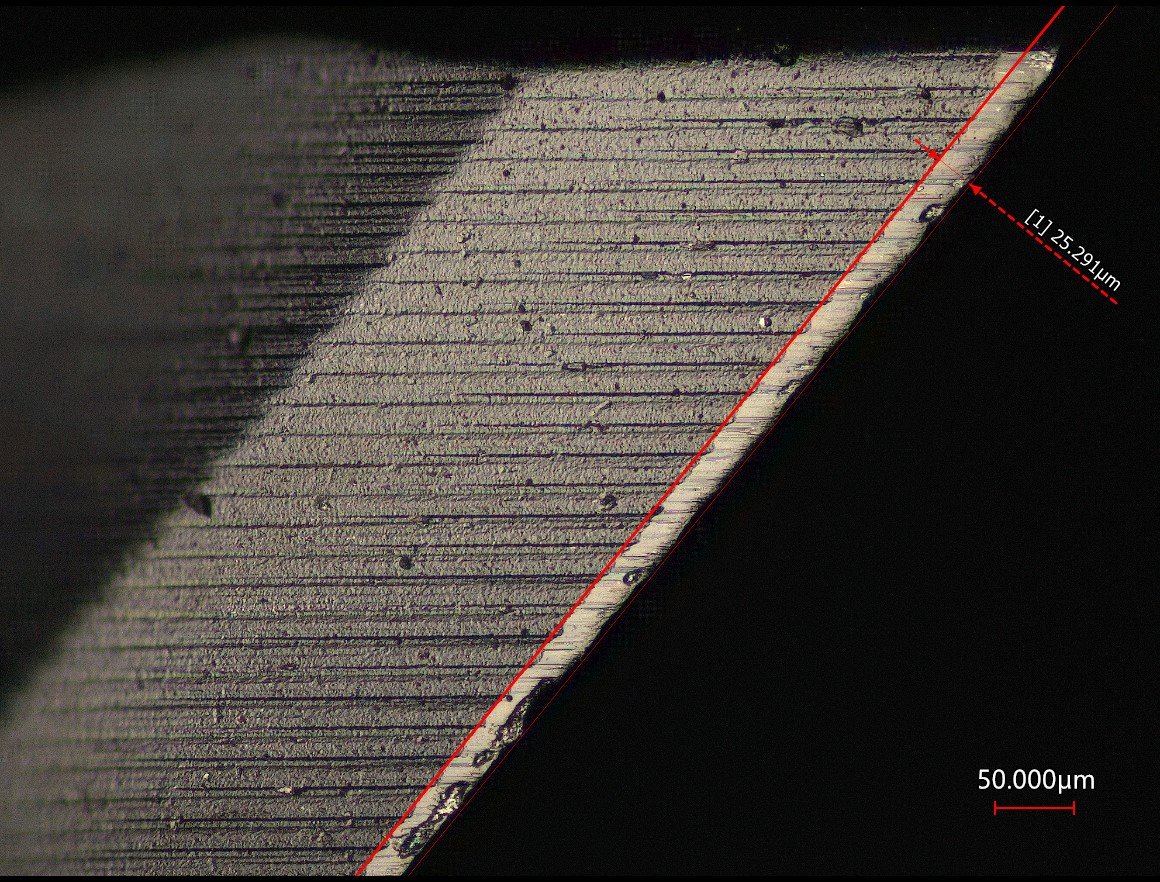
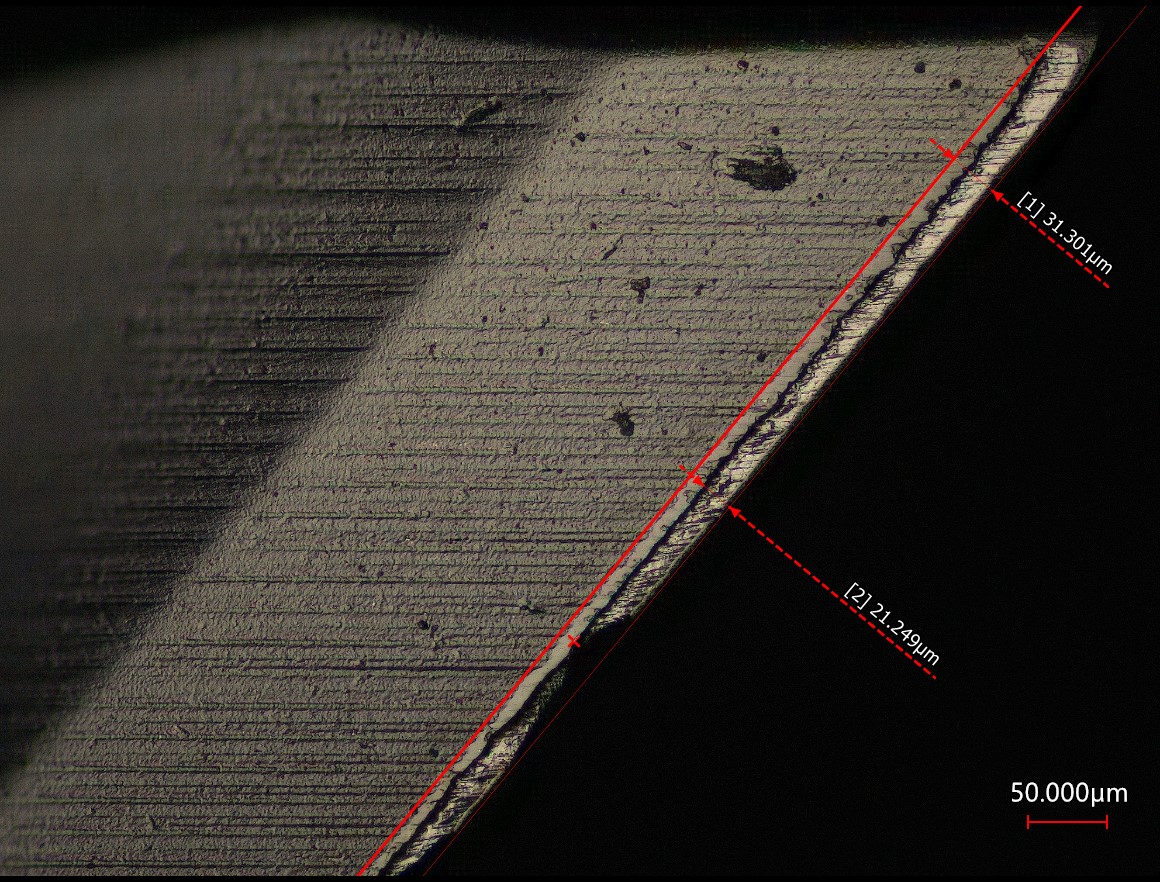
At 270m milling distance, STATON X-CRAL demonstrates continued edge stability and controlled coating wear. Extended test conditions confirm consistent adhesion and durability under demanding, prolonged machining cycles.
Speak with our experts for installation, training, and full support across India. We're here to help with any inquiries you may have.